The Birthplace of Coffee
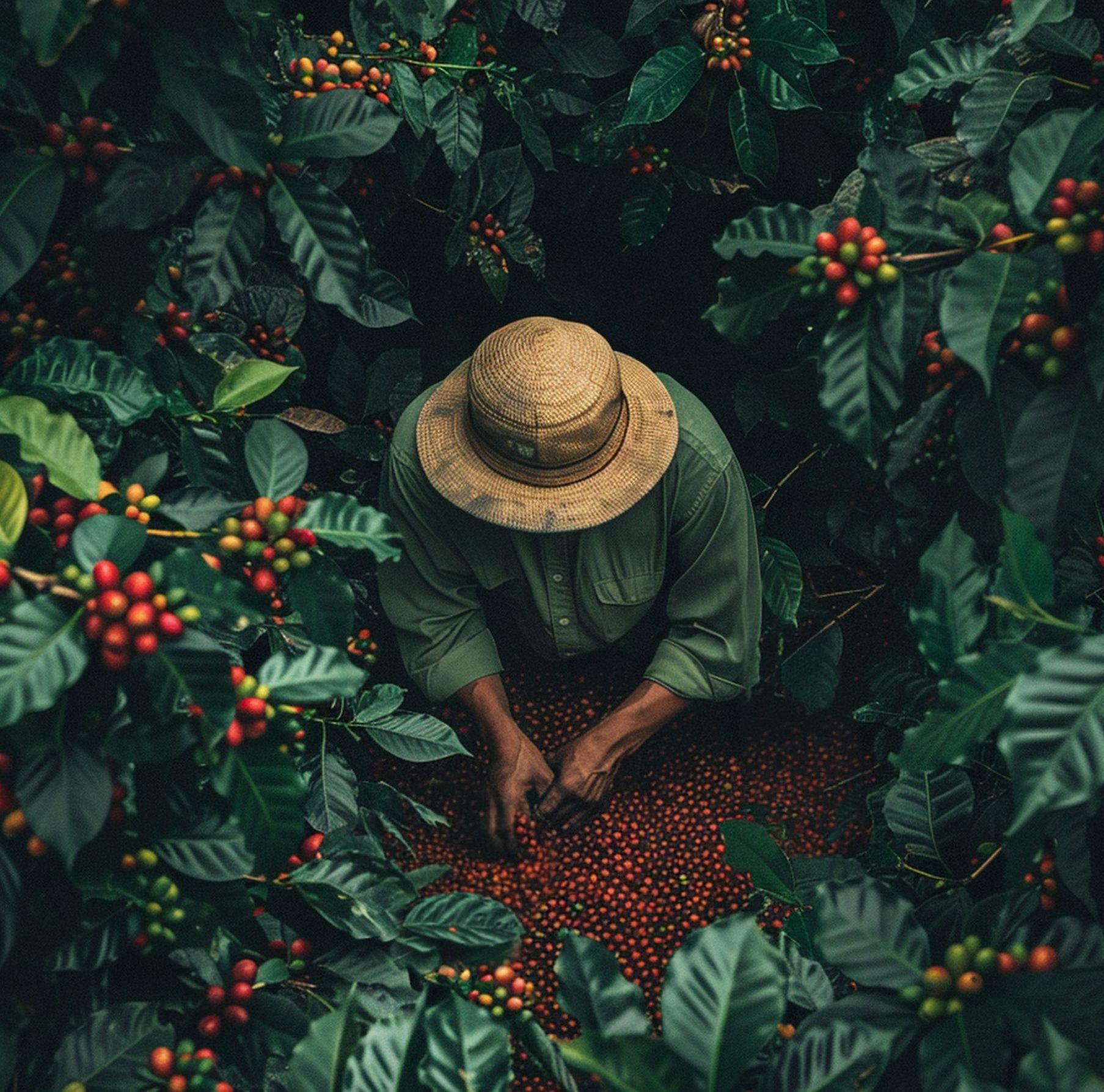
From the high-altitude peaks of the south to the historic sun-drenched plains of the east, Ethiopia offers some of the most diverse and distinctive flavor profiles in the world. As one of the most valued agricultural commodities, Ethiopian coffee is shaped by dramatic elevations, rich volcanic soils, and generations of traditional cultivation practices, with each region producing coffee of its own unmistakable character. Floral and citrus notes emerge from mist-covered highlands, while deeper chocolate, spice, and fruit tones develop across warmer valleys and ancient terrains. This natural diversity, combined with careful harvesting and processing methods, results in exceptional complexity and clarity in every cup. Discover the unique identity, heritage, and refined taste of our seven primary growing regions each telling its own story of origin, craftsmanship, and excellence.
Our Coffee Lists
The “Afternoon Tea” of the coffee world.
- Altitude: 1,700–2,200 m
- Processing: Mostly Washed
- Flavor Profile: Elegant and floral. Expect notes of jasmine, bergamot, and bright citrus with a tea-like body.
- Why it’s special: Often considered the gold standard for Ethiopian coffee, Yirgacheffe is prized for its clarity and sophisticated acidity.
A crowd favorite with a fruity punch.
- Altitude: 1,500–2,200 m
- Processing: Washed & Natural
- Flavor Profile: A complex balance of sweet berries, lemon, and wine-like acidity with floral undertones.
- Why it’s special: Highly aromatic and versatile, Sidamo beans are a staple in specialty blends but shine brightly as a single origin.
One of the world’s oldest, sun-dried traditions.
- Altitude: 1,400–2,000 m
- Processing: Mostly Dry/Natural
- Flavor Profile: Heavy-bodied and wild. Distinctive notes of dark chocolate, blueberry, and a winey finish.
- Why it’s special: These beans are traditionally sun-dried on patios, giving them a rustic, bold character that is unmistakable.
Smooth, clean, and incredibly approachable.
- Altitude: 1,100–1,700 m
- Processing: Mostly Washed
- Flavor Profile: A mild, well-balanced cup featuring citrus, floral notes, and a gentle winey acidity.
- Why it’s special: Known for its “cup clarity,” Limu is the go-to choice for those who want a smooth, sophisticated morning brew.
Complex, modern, and in high demand.
- Altitude: 1,700–2,200 m
- Processing: Washed, Natural, & Honey
- Flavor Profile: Incredibly complex with intense berry, peach, and tea-like acidity.
- Why it’s special: Once part of Sidamo, Guji has carved out its own identity in the specialty market thanks to its unique microclimate and diverse processing methods.
Rich, deep, and satisfyingly heavy.
- Altitude: 1,400–1,800 m
- Processing: Washed & Natural
- Flavor Profile: Heavy-bodied and earthy with deep chocolate undertones and lower acidity.
- Why it’s special: These traditional regions provide the “soul” of many classic blends, offering a grounded contrast to the floral highs of other regions.
Purity from the peaks.
- Altitude: 1,600–2,200 m
- Processing: Mostly Washed & Natural
- Flavor Profile: Very sweet and bright with a clean finish and distinct fruit-forward notes.
- Why it’s special: These southern highlands produce specialty-grade beans that benefit from slow maturation at high elevations.
The legendary birthplace of Arabica coffee.
- Altitude: 1,400–2,100 m
- Processing: Mostly Natural (Dry) and some Washed
- Flavor Profile: Bold and complex with notes of dark chocolate, spice (cinnamon/clove), and stone fruits like plum or peach.
- Why it’s special: This is where coffee began. Much of the coffee here grows wild in “coffee forests,” resulting in incredible genetic diversity and a deep, soul-satisfying cup.
The high-altitude “Sweet Spot.”
- Altitude: 1,800–2,300 m
- Processing: Washed and Natural
- Flavor Profile: Extremely sweet and clean, often featuring notes of white grape, nectarine, and honey.
- Why it’s special: Often overlooked in the past or blended with Sidamo, Arsi has recently emerged as a powerhouse in the Cup of Excellence competitions. Its extreme altitudes produce some of the densest, most flavorful beans in the country.
The approachable “wild” cup.
- Altitude: 1,100–1,900 m
- Processing: Mostly Washed
- Flavor Profile: Well-balanced and mild with citrus notes, a smooth aftertaste, and a velvety mouthfeel.
- Notes: Often grown as “garden coffee,” Teppi is known for its consistency. It’s a favorite for those who find high-mountain acidity too sharp.
The giant of the forest.
- Altitude: 950–1,300 m
- Processing: Washed and Natural
- Flavor Profile: Light acidity, medium body, with nutty undertones and subtle hints of lemon.
- Notes: Bebeka is home to one of the largest coffee estates in the world. It is a pioneer in large-scale sustainable forest coffee production.
The ancestral home of the Gesha.
- Altitude: 1,300–1,800 m (Lowland to Mid-elevation)
- Processing: Washed and Natural
- Flavor Profile: Full-bodied, chocolatey, and caramel-heavy with a spicy, warming finish.
- Notes: Located near the border of South Sudan, this region is famous for its wild coffee forests. While higher areas produce delicate florals, the lower zones produce a rich, “comforting” cup.